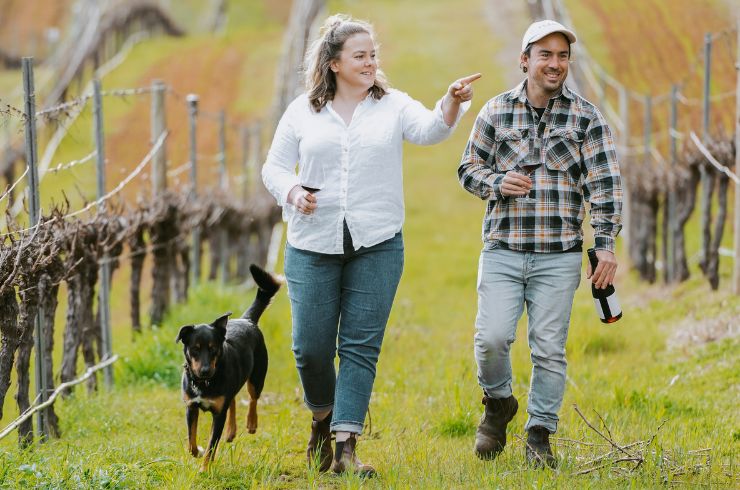
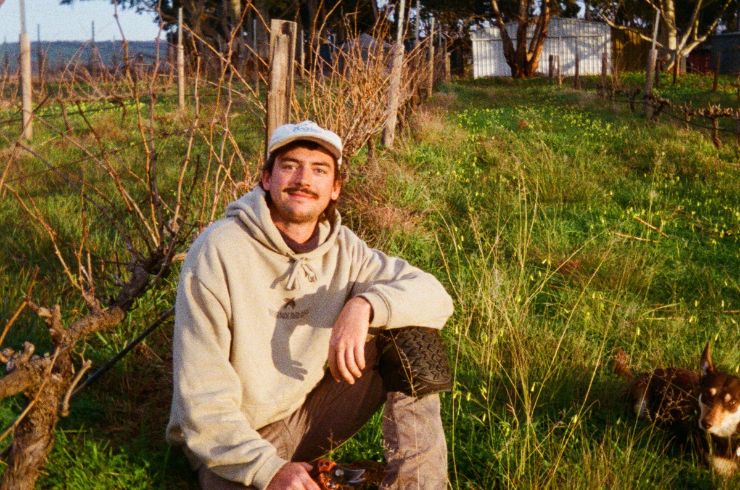
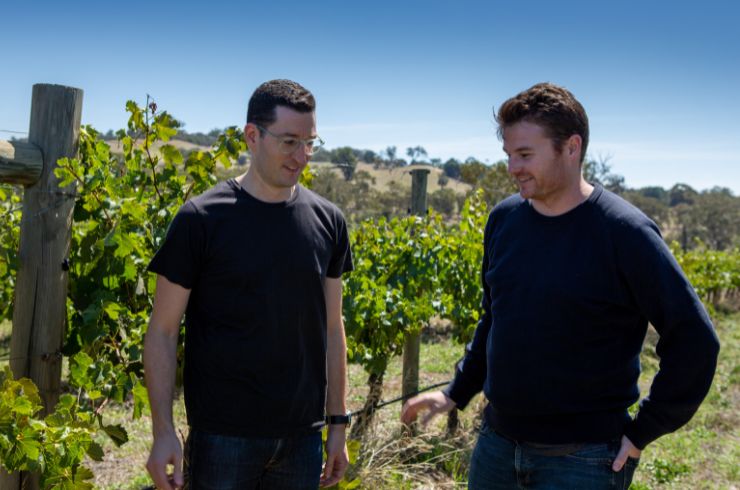
As a Mornington Peninsula boy, Aaron Drummond understood empirically the significance of Stonier Wines. So, when the opportunity came at the end of 2022 to buy the winery that the late Brian Stonier founded in 1978 from Accolade, who’d acquired it in ’99, he – along with his viticulturist sister, Rebecca Drummond, and two other local families, the McLeods and the Thickins – jumped at it.
A year after the purchase, Aaron – who, with his sister, also owns Grampians winery Fallen Giants – brought winemaker Julian Grounds on as technical director. The pair had worked together at Hawke’s Bay superstar Craggy Range (Aaron as general manager from 2015 to ’22, and Julian as chief winemaker from ’19 to ’23), and Aaron knew Julian wanted to be back in Australia before his kids reached high school.
“What Aaron saw and what he sold the dream on is that Stonier is one of the founding and most important stories of the Mornington Peninsula,” Julian says. “It’s a story he knew really well – he’d actually grown up with Brian’s granddaughter, and he’d always loved the vineyards and the wines.
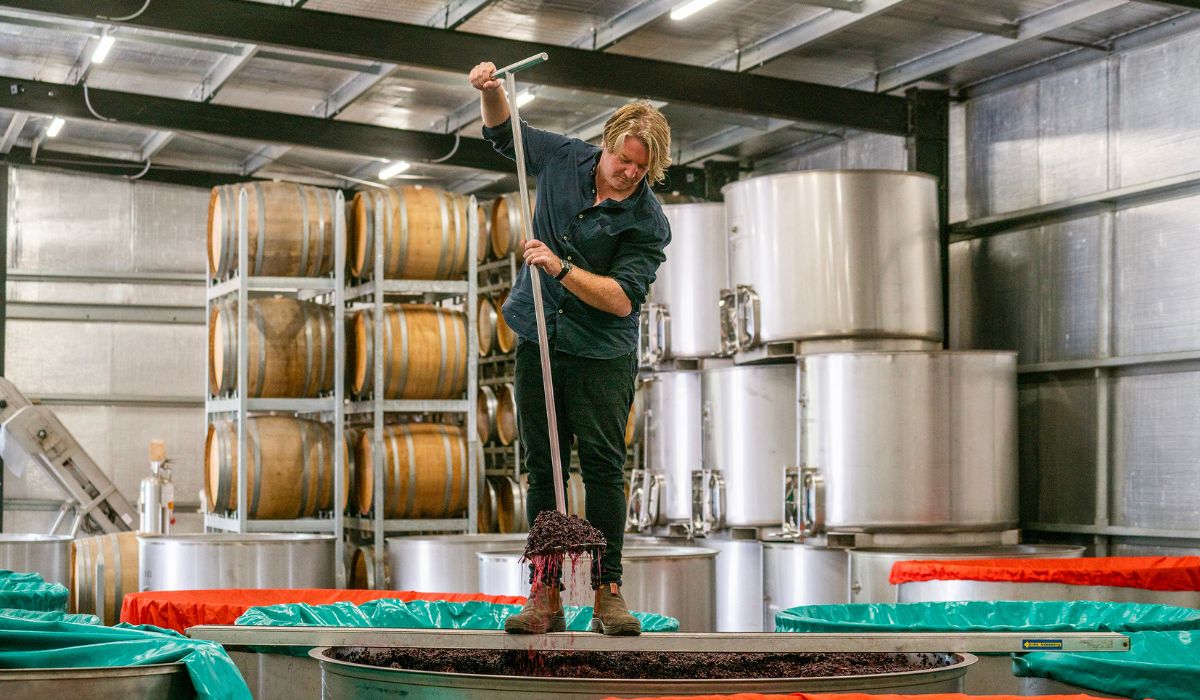
“Although it had fallen by the wayside a little in terms of direction and presence under the previous owners – not that they did anything wrong,” he adds, “small premium wine businesses just aren't always the right fit for big corporates – the wines had been phenomenal, and we knew they could be phenomenal again.”
Julian’s appointment as technical director – rather than chief winemaker – was an important distinction, as it gave him oversight of everything, including viticulture, and a stake in the business. He had the nous to back it up: since graduating as dux of his winemaking class in 2007, Julian has worked at Leeuwin Estate, Medhurst, McHenry Hohnen and Giant Steps, and in Burgundy, Oregon and Central Otago. He was also the dux of the Len Evans Tutorial in ’17, which was what first put him on Aaron’s radar.
For Julian, the first and arguably most crucial step in returning Stonier to its glory days was to bring control of farming back to the winery and reduce and refocus production. As well as the original 48-acre home vineyard included in the estate’s purchase, planted in ’78 to chardonnay and in ’82 to pinot noir, they now farm an additional 150 acres across the region, including sites in Merricks that were originally planted by Stonier.
“It's a lot of work, but it means that we control our destiny,” Julian says. “If we want to improve quality we need to control all parts of the process.”
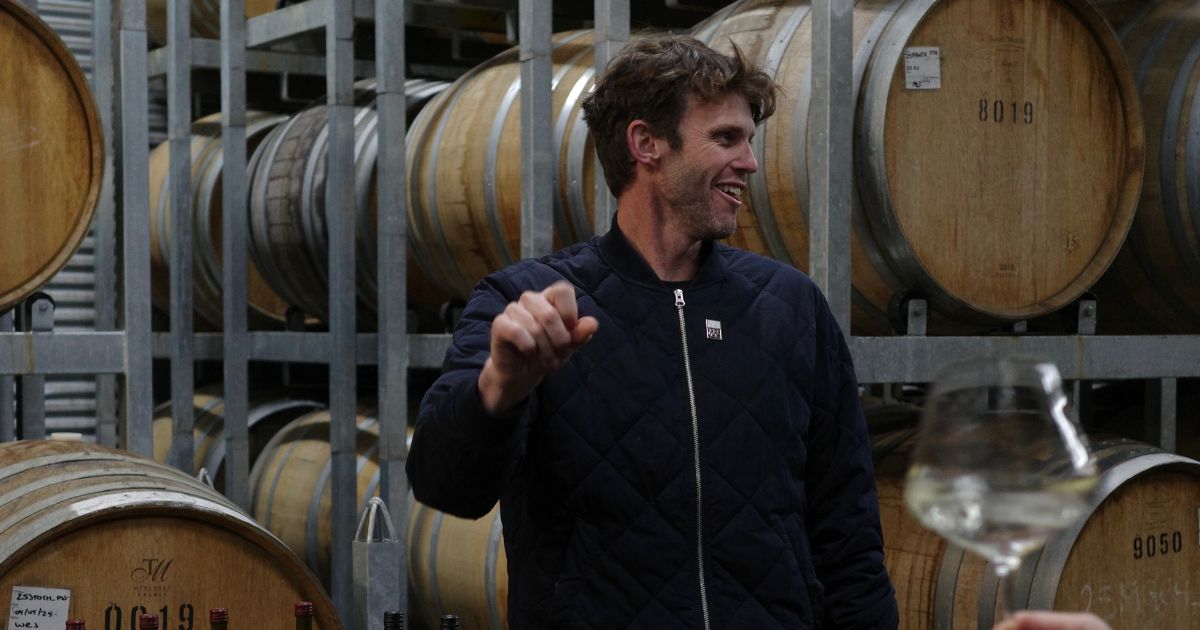
The range has been stripped back to just eight wines: the Mornington Peninsula Chardonnay, Merricks Chardonnay, KBS Vineyard Chardonnay and Reserve Chardonnay, and the Mornington Peninsula Pinot Noir, the Windmill Vineyard Pinot Noir, Merricks Pinot Noir and Reserve Pinot Noir.
While each has its place, and the reserves are ultimately “the jewel in our crown… we want them to become benchmarks,” the Mornington Peninsula wines are the most important. “These are what most people’s interactions with Stonier will be; they’re the wines that get drunk in restaurants and independent retail, so they have to overdeliver,” Julian says.
“Brand is king; the wines need a thumbprint,” he adds. “You can go very quickly from being quietly in the background to being front and center with smart decisions and ultimately defining a style that people can connect with.”
That thumbprint is pinot noir with density, presence and intensity of flavour, as well as deliciousness. For chardonnay, it’s highlighting salinity and minerality to reflect the coastal environment. “We want people to imagine they’re looking straight out at the ocean, because that’s what happens when you come to our site,” Julian says.
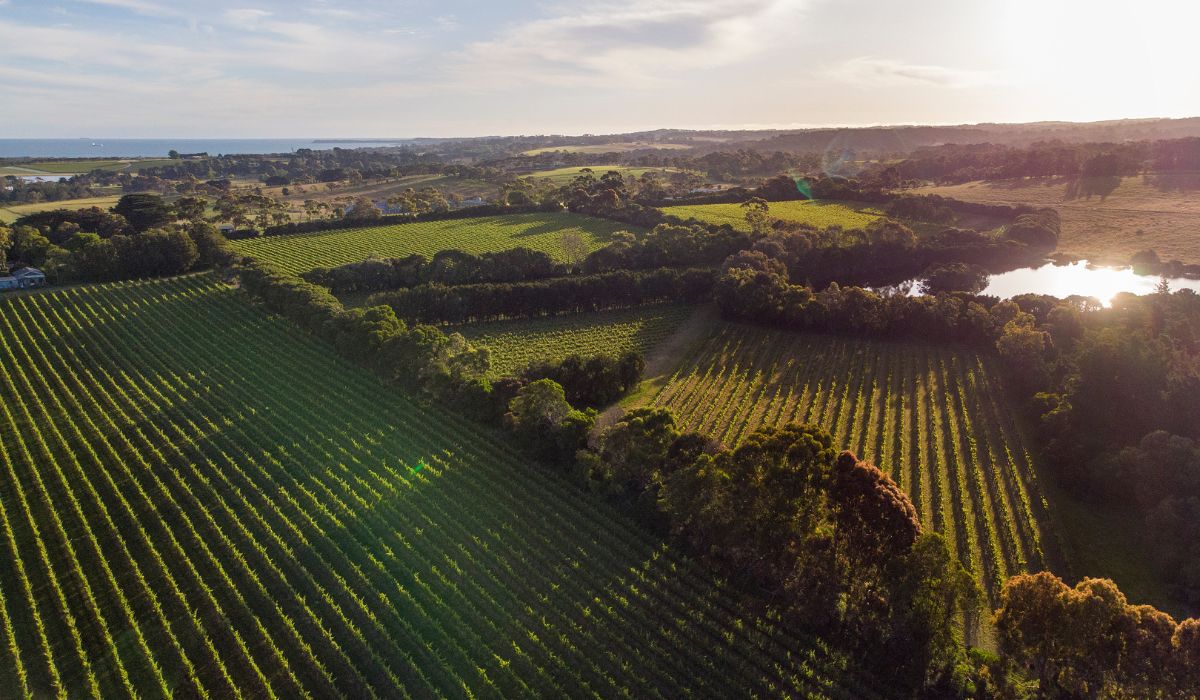
In the wine world, changes take time to come into effect, and it’s still early days for Stonier 3.0. This makes the dramatic improvement in wine quality even more impressive.
All eight in the 2025 vintage release scored between 95 and 97 points, and while “perfect” growing conditions undoubtedly contributed, it’s a genuine reflection of this new, dedicated approach.
It was Brian Stonier’s vision to put Mornington Peninsula wine on the world stage, and Julian, Aaron, Rebecca and the other families are just as motivated.
“It’s our ambition to see the Morningon Peninsula spoken about in the same way that the Willamette Valley, Central Otago, and other great New World regions of the world are,” Julian says. “I think we’re on the right track.”
Sign up to view these tasting notes and ratings
By becoming a member of Wine Companion, you'll have access to the largest database of wines in Australia.
Subscribe to the Halliday Wine Companion Podcast
Hear from some of Australia's top winemakers and industry professionals as they share their stories and insights on the Halliday Wine Companion Podcast. Listen here, or on your usual podcast platform, and remember to rate, share and subscribe so you never miss an episode.
Latest Articles
-
Wine Lists
Looking for something new to drink? Here are eight top-rated wines to try
6 Aug 2026 -
Travel
Inside Tamar Ridge and PIRIE’s elegant new Tamar Valley cellar door
5 Aug 2026 -
Meet the winemaker
What makes Brendon Keys one of the Adelaide Hills' most individual producers
6 Aug 2026 -
Events
Halliday Wine Academy: Wine Immersion Tours
30 Jul 2026


More like this
-
News
Why this ex-Vasse Felix winemaker made the Ferguson Valley his future
29 Apr 2026 -
News
"A revelation": Why Oria-Riff's Old Vine Semillon is one of McLaren Vale's most exciting white wines
27 Apr 2026 -
News
Geelong-focused label Mulline's 2025 release includes 22 wines rated between 95–98 points
23 Apr 2026