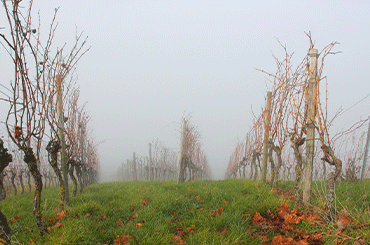
Even at this level, there will usually be exceptions and qualifications that make generalisations dangerous. Hail may hit a strip as small as 100 metres wide, and a distance of the same length. Makers of Burgundy (and their customers around the world) know this too often. Frost can also lay waste to a patchwork of similar size. Too much rain, or not enough, can affect similarly small parcels, with botrytis and powdery/downy mildews adding another dimension.
In all cases, it is nature, not the human hand, that poses the dangers in the first instance. Organic/biodynamic practises can magnify some or all of these impacts, the vignerons’ urge to intervene with sprays. Understandable, but only ‘natural’ defences are allowed. So, take vintage ratings for regions with a pinch of salt.
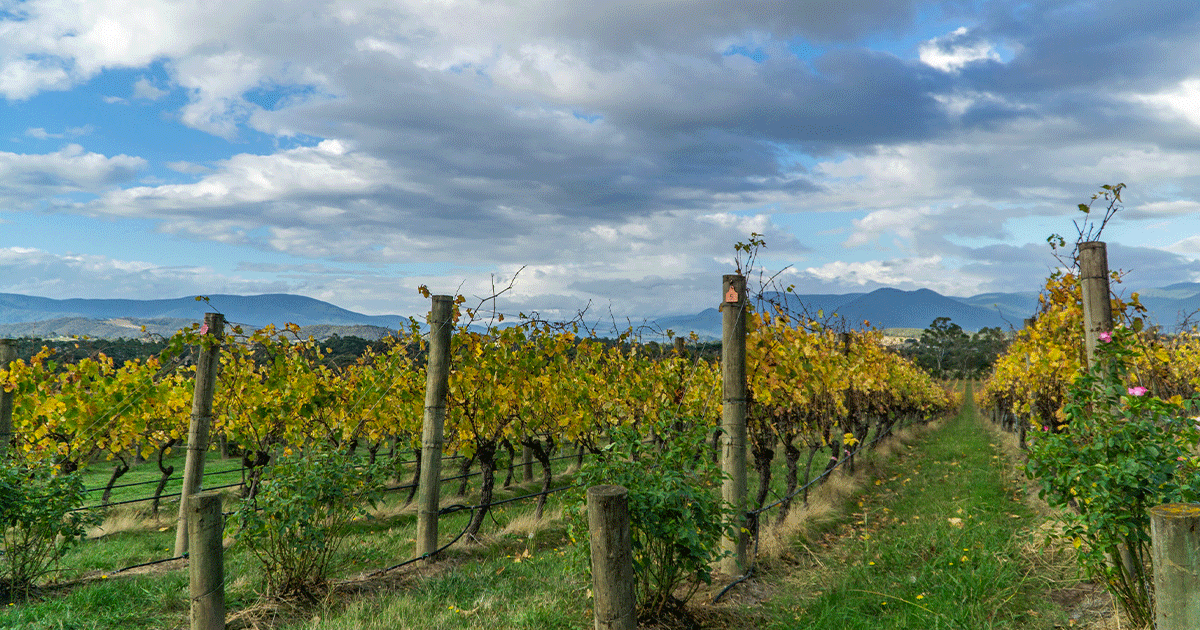
Steve Flamsteed made the three Giant Steps Chardonnays using the same method, teasing out the differences between the sites, with Applejack from the Upper Yarra, the other two from the Lower Yarra. The red volcanic soils of the Upper Yarra are very different to the weathered remnants of those from the Lower Yarra, which are a mix of grey-brown sandy clay and assorted rock, where the climate is very different.
Sign up to view these tasting notes and ratings
By becoming a member of Wine Companion, you'll have access to the largest database of wines in Australia.
Latest Articles
-
Wine Lists
25 gold medal white wines that are perfect for winter
23 Jul 2026 -
News
Inside the latest Bicknell fc release from "boned" Oakridge winemaker Dave Bicknell
23 Jul 2026 -
Behind the label
Sustainability in practice: How three wineries are using it as a guiding light
23 Jul 2026 -
News
Dave Brookes has reviewed Penfolds' Collection 2026, including a 'powerful' Grange release
22 Jul 2026