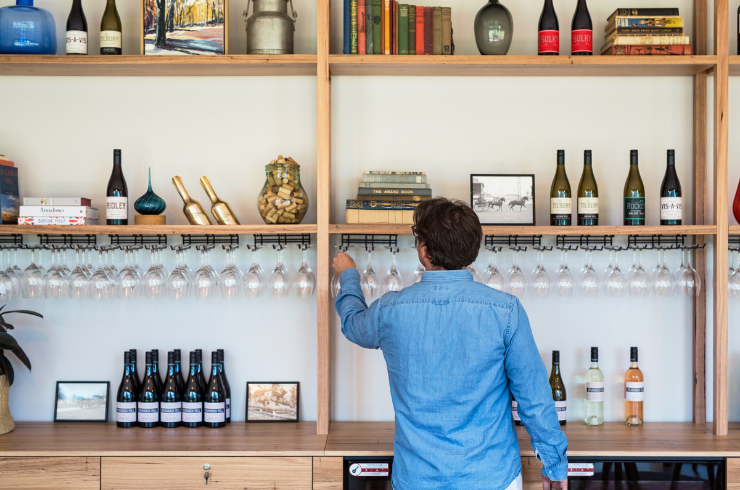
Imagine being handed the keys to a wine cellar, a blank cheque in your back pocket, and carte blanche to fill the shelves with the best of the best.
Now, if you’re picturing an endless parade of elite bottles meant only for the one-percenters who have their own private jets, you’re missing the point. Because, as any seasoned drinker knows, though they often forget, a hefty price tag doesn’t always mean you’re getting nectar of the gods.
Mention “blank cheque” to a sommelier, and you’ll usually get a list stuffed with the top-tier trophies – wines that say more about the curator’s ego than any real passion or creativity. I mean, anyone with a decent bank account and no accountant hounding them can cram a list with Petrus, Penfolds Grange, and every first-growth Bordeaux.
But if I had carte blanche and that blank cheque, I’d seize the chance to craft a list that would make history buffs and wine lovers alike salivate, a lineup worthy of its own exhibit at the British Museum.
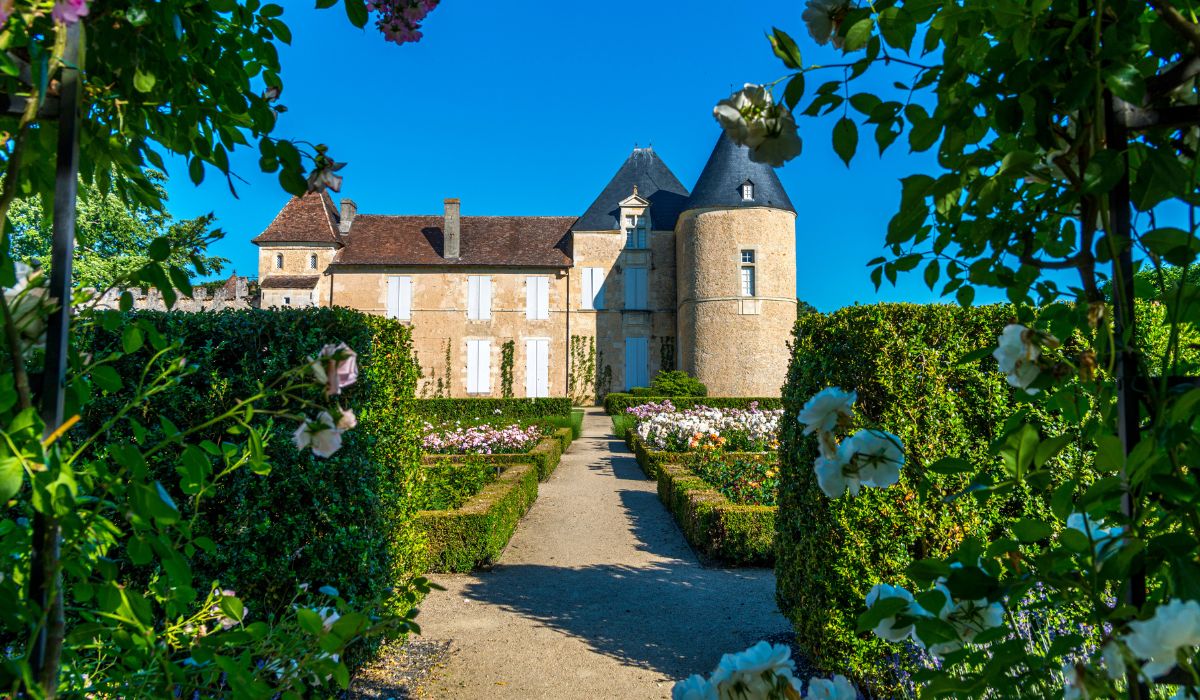
Let’s talk comet years, celestial events with zero scientific backing but a whole lot of mystique. And, if there’s a wine that embodies this ethereal charm, it’s the 1811 Château d’Yquem. Sure, chasing 100-point wines is the usual pastime of collectors and sommeliers, more of that ‘top wank’ nonsense, but the 1811 Yquem? It’s the kind of wine that Robert Parker himself declared a 100-pointer in 1996, and for good reason.
The fact that a wine can survive, let alone thrive, for nearly 200 years, and still taste like the tears of angels, is nothing short of miraculous. The last time one came up for sale it fetched around AU $145,000. Good thing it’s a blank cheque!

A truly great list is never complete; it’s a living document, constantly evolving, back vintages mingling with current offerings, each bottle carrying a story that begs to be shared with eager patrons.
Now, let’s rewind to a tragically overlooked chapter in wine history: pre-1962 Piedmont. The first single-vineyard wines didn’t appear until 1961. Thankfully, this changed with visionaries like Alfredo and Luciano Currado (1961 Vietti Rocche) and Beppe Colla (1961 Prunotto Bussia). Bruno Giacosa joined the party in 1964 with the first single-vineyard Barbaresco, the Santo Stefano Riserva. Before this, the best vineyards were lumped together as Barolo or Barbaresco.
Today, sommeliers are packing their lists with fresh Barolo that should be a crime to drink so young, while bottles of old, lovingly crafted Barolo gather dust in forgotten cellars. Drinking a 1943 Marchesi di Barolo is like sipping history itself, especially when you consider that someone managed to harvest the grapes for it in the middle of World War II. And the kicker? You can score one of these ancient treasures for near enough the price of a current vintage. I’ll take the lot please!
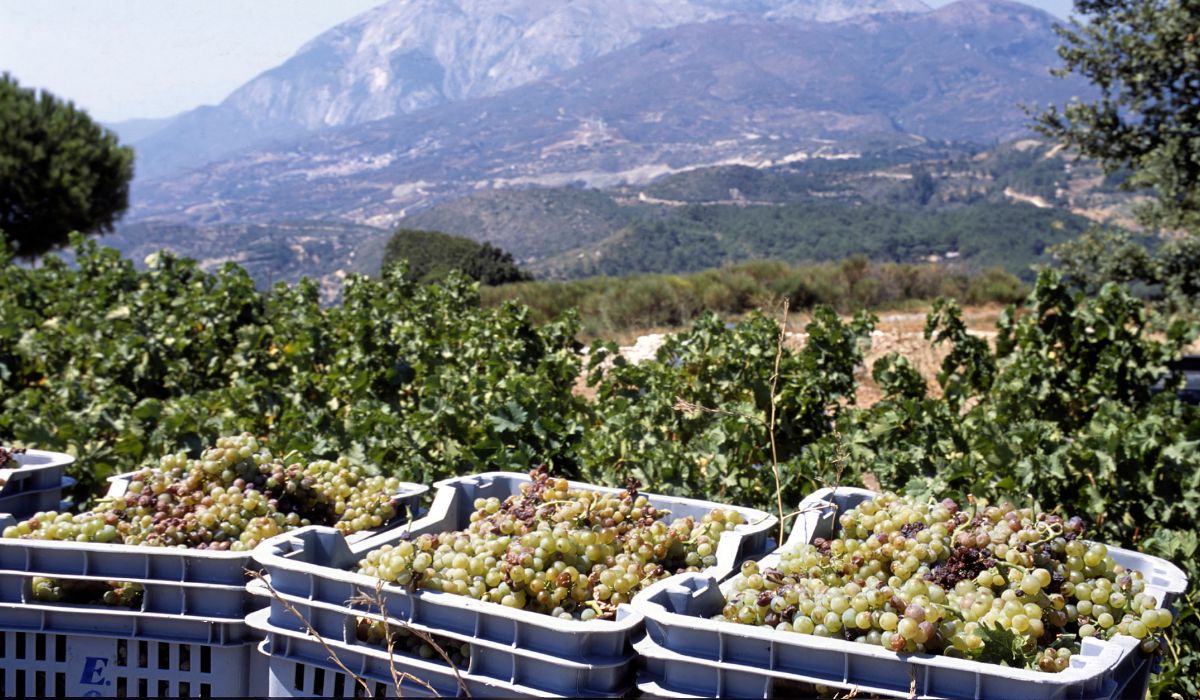
Fast forward to the not-so-distant past, and there are still mindblowingly unique wines. Ever heard of the 1980 United Winemaking Agricultural Cooperative of Samos Nectar? No? You’re not alone. But this stunning bottle of liquid gold, hailing from the picturesque Greek island of Samos in the northeast Aegean Sea, birthplace of Pythagoras, is a hidden gem. While the USA was busy snapping close-ups of Saturn with the Voyager spacecraft, the folks on Samos were sun-drying muscat grapes destined for a 28-year nap in a barrel; the only barrel of this rare beauty that was produced.
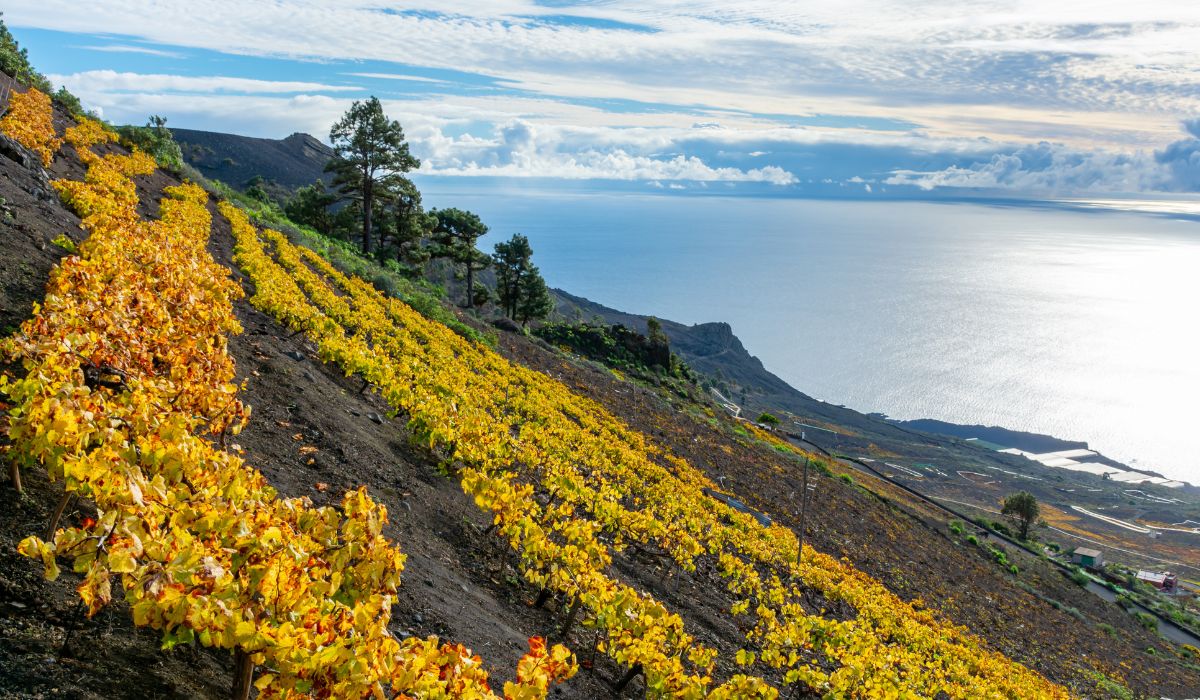
Then, there’s Victoria Torres Pecis, who started crafting wines on her family’s estate in 2015 on the black ash soils of a dormant volcano in Palma, one of the Canary Islands. Her recent vintages, particularly those from ungrafted pre-phylloxera vines that date back 130 years, are nothing short of extraordinary. These wines — listán blanco, malvasia, and negramoll — could easily go toe-to-toe with Burgundy in terms of power and finesse. Harvesting here is an art form, taking up to three months thanks to the island’s crazy mix of altitudes and microclimates. And Victoria’s got a piece of history herself, a pine wood press dating back to 1885 that still gets used each vintage to make her mind-bending Malvasía Aromática Naturalmente Dulce Cepas Viejas. This sweet wine stops fermenting whenever it feels like it, resulting in an opulent, viscous elixir with a surprising salty kick.
And if you’re still hungry for history, dive into Billionaires’ Vinegar, a book that reads like a detective novel, detailing the wild lengths people will go to for the rarest of the rare, only to end up with expensive fakes. The star of the show is a supposed 1787 Château Lafite, allegedly owned by Thomas Jefferson, the third president of the United States. Malcolm Forbes shelled out US $157,000 for it in 1985. While it was never officially confirmed, a crack team of experts, including former FBI and MI5 agents, deemed the bottle was a fraud as the engraving was made with a tool that didn’t even exist in 1787. Forgery or not, what an addition to a list.
But even that pales in comparison to the ultimate treasure hunt: Stalin’s cellar. This Indiana Jones-worthy collection, to which Sydney wine merchant John Baker dedicated an entire folio, is said to include thousands of bottles stolen from the last Tsar of Russia, Nicolas II. These aren’t just any bottles; we’re talking about some of the greatest French domaines dating back to the early 1700s that supposedly lie waiting for collection somewhere in the vicinity of Tbilisi, Georgia.
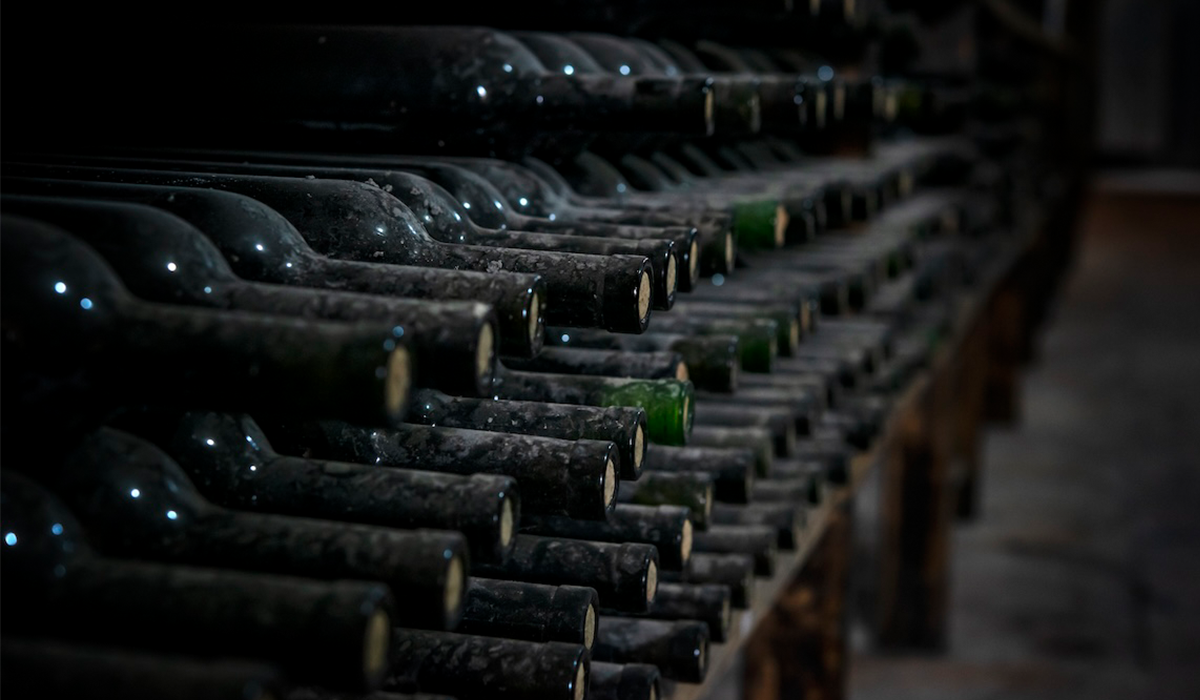
So, when I think about filling a wine list, forget the obvious and the ostentatious. Pre-1962 Barolo, comet year vintages, Canary Island pre-phylloxera vines, Samos Nectar, and bottles touched by Stalin and the last Tsar of Russia — these are the wines that would transport a willing drinker to another time and place, all from a glass on a restaurant table.
A truly great list is never complete; it’s a living document, constantly evolving, back vintages mingling with current offerings, each bottle carrying a story that begs to be shared with eager patrons.
Mark Smith was the winner of the 2024 Negociants Australia Working with Wine Fellowship Wine Writing Award.
This article first appeared in issue #78 of Halliday magazine. Become a member to receive all four issues per year, plus digital access to over 185,000 tasting notes from 4000+ wineries and distilleries, and more.
Latest Articles
-
Wine Lists
Eight wines to try from the Adelaide Hills
21 May 2026 -
Wine Lists
Great wines for great value: 10 shiraz and blends for $40 or under
21 May 2026 -
Win
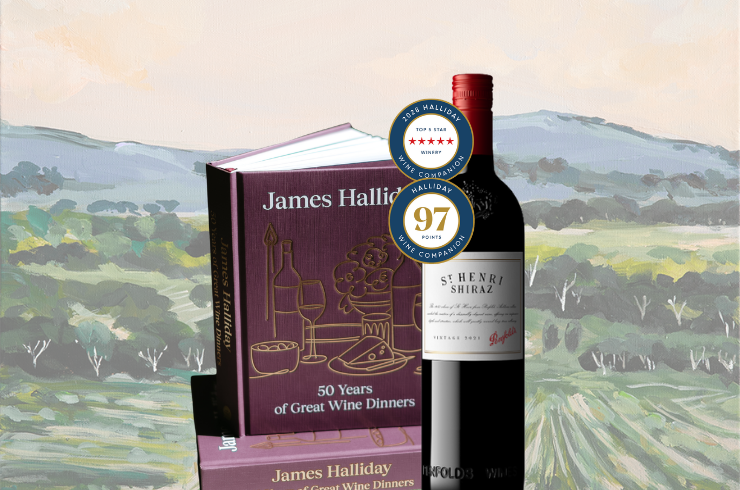
Win over $400 worth of prizes including James Halliday's 50 Years of Great Wine Dinners
20 May 2026 -
From the tasting team
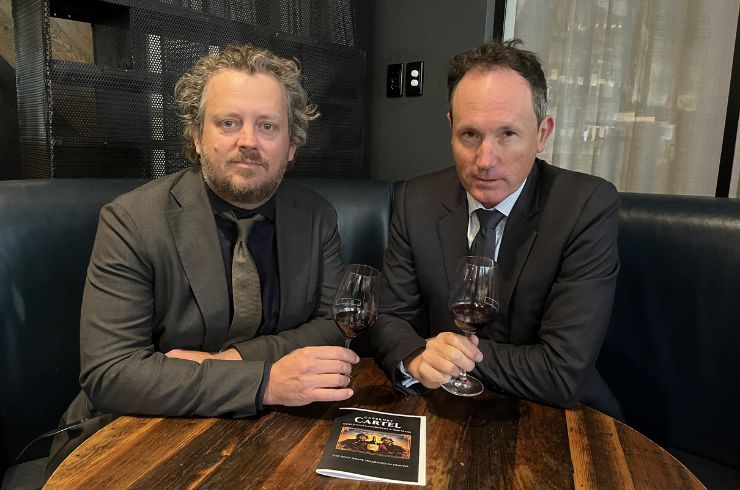
The Cabernet Cartel want you to show the grape the respect and loyalty it deserves
19 May 2026